
Untitled
Pai Gow House Edge Explained for Adelaide Players
For anyone sitting down at a card table in Adelaide or logging in from home, understanding the math before the cards are dealt matters more than flashy promotions. I’ve spent two decades designing games across land-based floors and digital lobbies, and I can tell you that a slow-paced game like this rewards patience over chasing big swings. This review looks at how the casino’s mathematical advantage stacks up against player strategy and what that means for your session bankroll. Как получать выигрыши в слотах Dolly
When you move beyond the basic odds, the real edge comes from how the game handles variance and payout frequency over time. Adjusting the plinko machine off board settings can shift that balance, giving you more control over bankroll longevity without sacrificing entertainment value. You can review the exact configuration options and payout models at https://plinko-machine-au.com/ to see how these parameters play out in practice.
How the Mathematics Shapes the Table
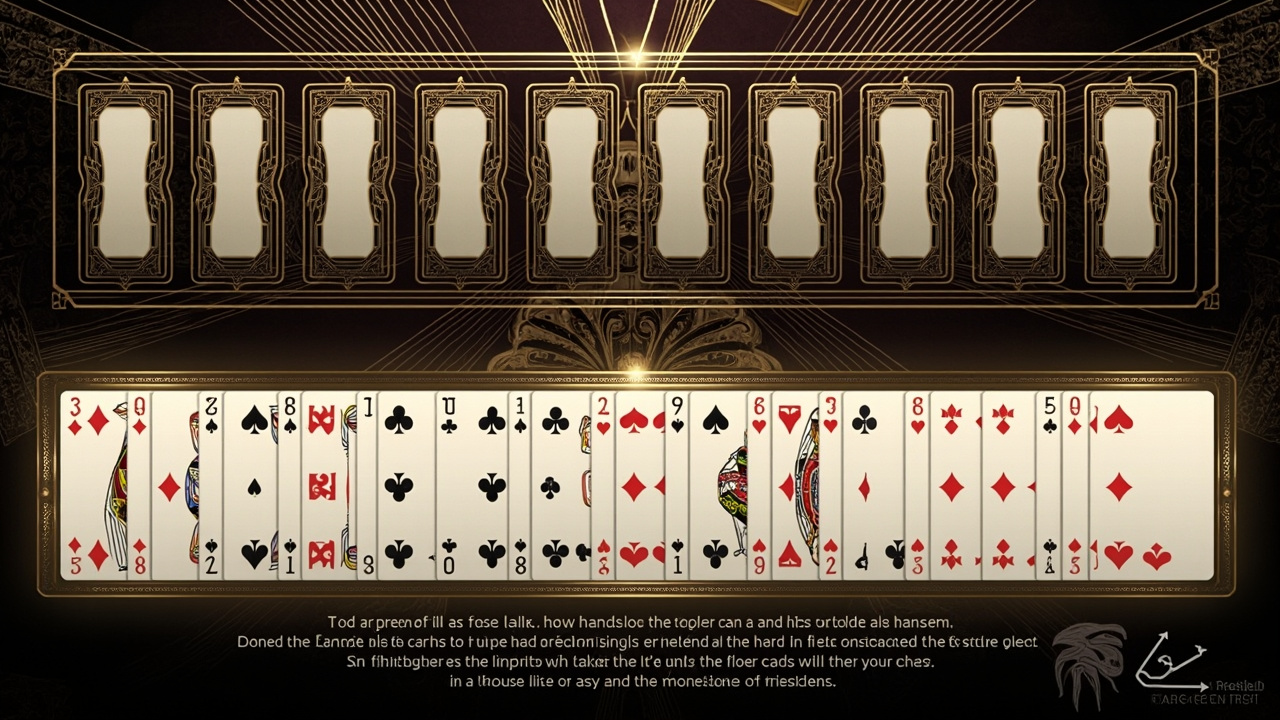
The core of the game relies on splitting seven cards into a five-card hand and a two-card hand, with the dealer qualifying only if both hands beat yours. The house edge typically sits around 2.5% to 3% depending on commission structures, but skilled play can push that closer to 2.5% by setting your hands strategically. I’ve seen social gaming products try to mimic this flow without the real stakes, but the underlying probability remains fixed regardless of the interface. When you compare this to faster table games, the slower rhythm gives you more time to think, which is why veterans often prefer it for longer sessions.
- The five-card hand must always rank higher than the two-card hand.
- Commission rates vary between venues, directly impacting overall returns.
- Player setting strategy significantly influences the effective edge over time.
Interface and Local Usability
Modern platforms need to respect how Australians actually play, especially when currency and language feel native rather than translated. A polished interface should display betting limits clearly in Australian dollars and avoid cluttered menus that obscure the rules. I’ve reviewed products where localisation felt like an afterthought, forcing players to convert values mentally, which breaks immersion during a busy arvo. Good navigation means finding help or adjusting table limits without hunting through layers of menus, keeping the focus on the game itself.
For players comparing options, checking plinko machine off board settings reveals how different platforms handle configuration, though Pai Gow remains distinct in its card-based mechanics. If you want to read about how winners are paid in slots without a deposit, you can check how winners are paid in slots for a related perspective on bonus structures. These comparisons help frame what to expect from different game types before committing funds.
Matching the Game to Your Play Style
This game suits players who prefer measured decisions over rapid-fire action, making it a solid choice for those managing their bankroll carefully. The lower volatility means swings are less extreme, which aligns well with players who want extended play rather than chasing massive jackpots. It is not ideal for someone seeking instant gratification, but for those willing to learn hand-setting basics, it offers a fair go at stretching entertainment value. Support teams should be reachable when rules feel unclear, ensuring you are not left guessing during a session.
Ultimately, the house edge is manageable if you understand the rules and set your hands correctly, but it remains a game where the casino holds a mathematical advantage. Players who value strategy and slower pacing will find it engaging, while those seeking high volatility should look elsewhere.